
The Family Origins
The story begins in the thirteenth century with Ulbert Constable, whose marriage to Erneburga of Burton established the Constable family in East Yorkshire. The name Burton derives from an Anglian term meaning “fortified settlement”, referring to the eleventh-century pele tower that forms the oldest part of Burton Constable Hall.
In the Domesday Book, the settlement appears as Santriburtone before becoming Erneburgh Burton after Erneburga’s marriage to Ulbert, Constable to the Count of Aumale. Their son, Robert Constable I, established the family line, and by the mid-thirteenth century the place-name had evolved into Burton Constable.
From these origins, the Constables built a lasting identity founded on land, loyalty, and lineage.
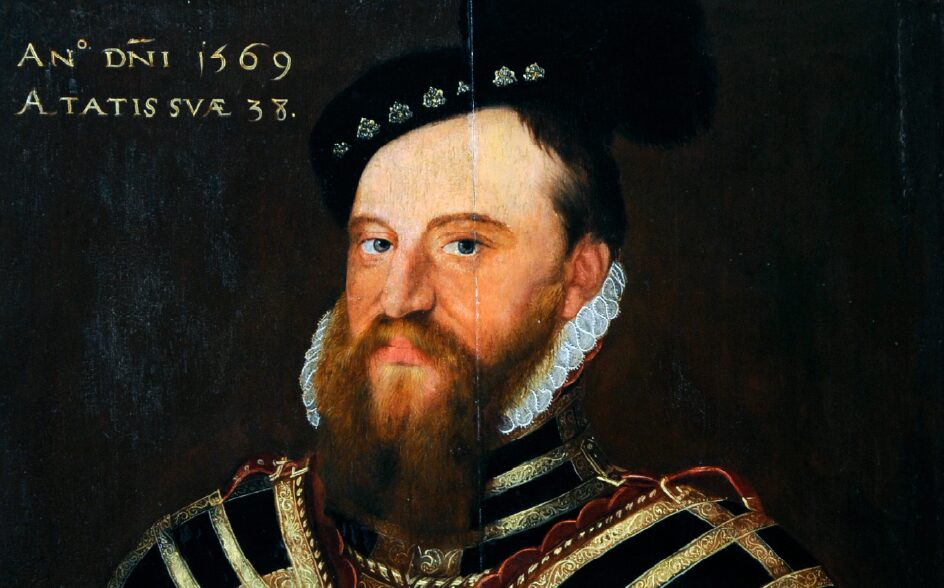
Sir John Constable c1530–1579
Sir John came into full ownership of his estate in 1547. He was knighted by Queen Mary the day after her Coronation. The brief return to Catholic rule allowed Sir John to expand his family’s wealth and influence, gaining a reputation for “shrewd dealings” and for maintaining order in the Scottish Borders. He married Catherine Neville, daughter of the Earl of Westmorland, and purchased the Lordship of the Seigniory of Holderness from the Earl. The family still hold this title almost 500 years later. Sir John moved the family’s main residence from Halsham to Burton Constable and set about, rapidly expanding the Hall. From 1560 he built “a new addition of a greater beauty”, creating the grand East Front through which visitors enter today.
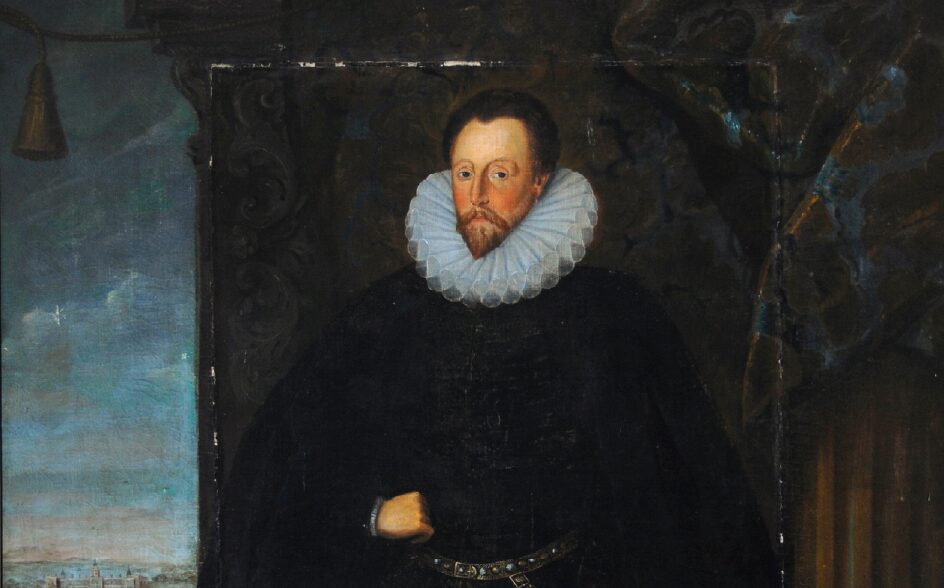
Sir Henry Constable 1588–1645
Sir Henry Constable inherited Burton Constable Hall and continued its expansion. Like his father, Sir Henry outwardly conformed to the Protestant state religion in order to avoid penalties and was appointed Sheriff of Yorkshire. His wife, Lady Margaret Constable, was far less cautious. A committed Catholic, she openly sheltered priests and attended Mass within the house, earning a reputation as “a most obstinate recusant”. Her defiance brought the family under increasing suspicion during the reign of Elizabeth I, and when she faced the threat of execution, Sir Henry was forced to appeal directly to the Queen on her behalf.
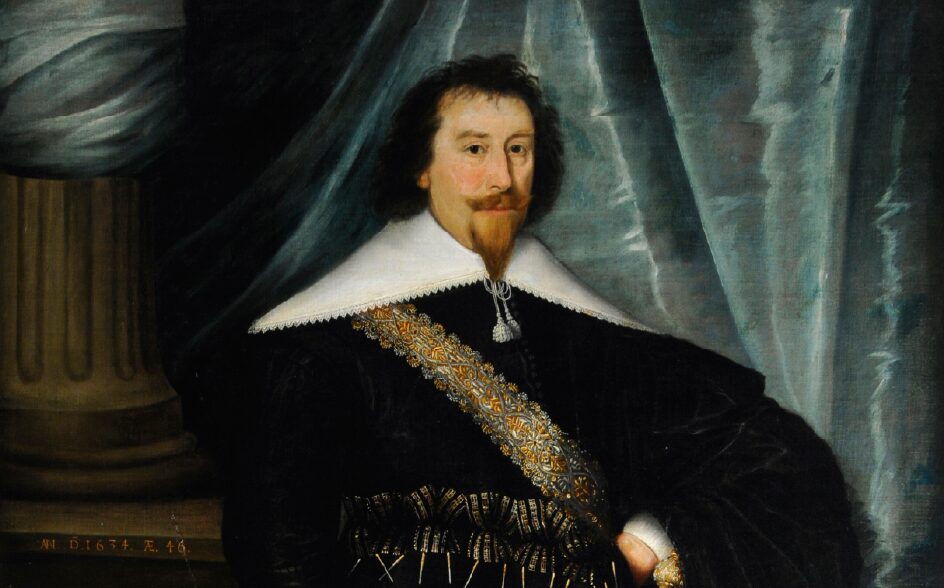
Sir Henry Constable, Viscount Dunbar 1588–1645
Henry Constable, 1st Viscount Dunbar, inherited Burton Constable in 1607. Educated at Trinity College, Oxford from the age of eight, Henry succeeded to the estate at twenty, was knighted in 1615, and created Viscount Dunbar by James VI and I in 1620. Though regarded as intelligent and well connected, he became notorious for heavy drinking and gambling, reportedly losing £3,000 in a single sitting. A committed Royalist during the Civil War, he supplied arms and money to Charles I and fought for the King at Scarborough Castle, where he died of wounds in 1645. Parliament seized and plundered the estate, though careful legal arrangements later enabled his son John to recover much of the family property after exile in the Low Countries.
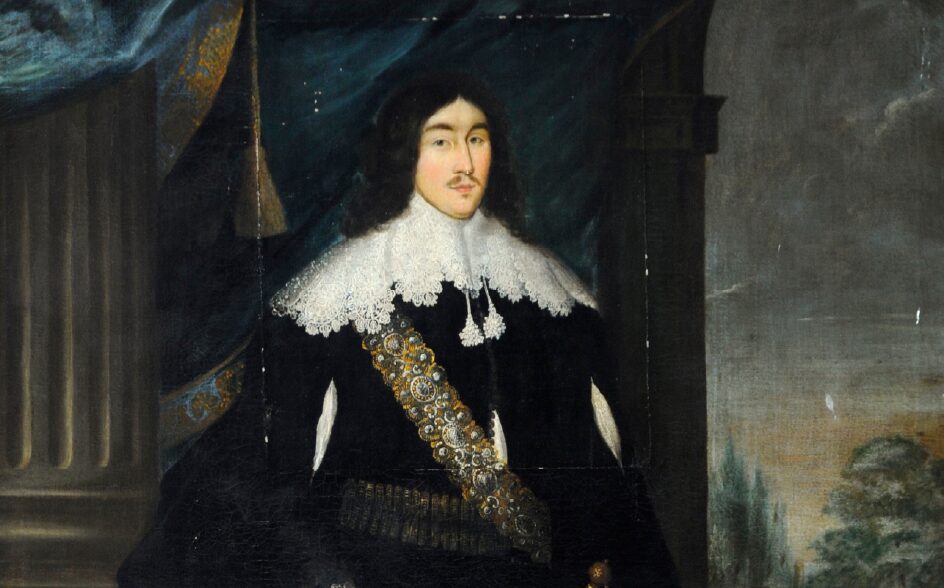
Sir John Constable, 2nd Viscount Dunbar c.1615–1668
John Constable, 2nd Viscount Dunbar, inherited after the death of his father during the English Civil War. A committed Royalist and Catholic, John spent part of the conflict in exile in Amsterdam following the collapse of Royalist power in the north. Surviving letters from 1644 describe his financial difficulties abroad and his fear that returning to England would result in imprisonment.
After his return, John spent much of the 1650s attempting to recover the confiscated estates. Following the Restoration of Charles II in 1660, he regained much of the family’s position and influence, despite continuing legal restrictions on Catholics. John married Lady Mary Brudenell and secured the continuation of the family line. He died in 1668, only two days before the death of his eldest son and heir.
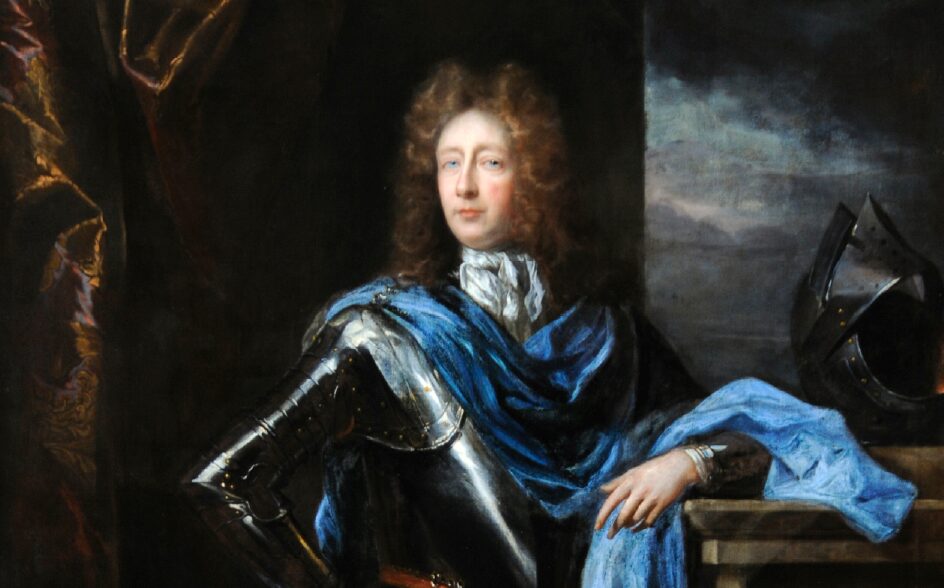
Sir Robert Constable, 3rd Viscount Dunbar 1651–1714
Robert Constable, 3rd Viscount Dunbar, succeeded to the title following the death of his elder brother shortly after their father, John Constable, 2nd Viscount Dunbar, in 1668. Only seventeen when he inherited, Robert’s estates were placed in trust until he came of age. Known for his extravagant lifestyle at court, he spent little time at Burton Constable. After the death of his first wife, Mary, daughter of Baron Bellasyse, he remarried the widowed Countess of Westmorland. Robert and his second wife are commemorated by a grand memorial near their grave in Westminster Abbey. Although twice married, he left only a daughter and illegitimate sons, and the title and estate therefore passed to his brother.
After his return, John spent much of the 1650s attempting to recover the confiscated estates. Following the Restoration of Charles II in 1660, he regained much of the family’s position and influence, despite continuing legal restrictions on Catholics. John married Lady Mary Brudenell and secured the continuation of the family line. He died in 1668, only two days before the death of his eldest son and heir.
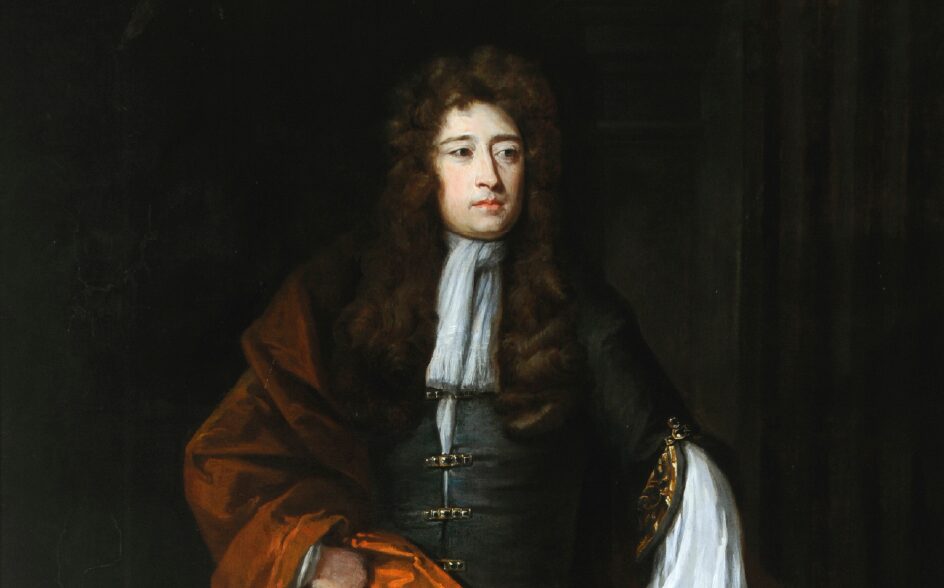
Sir William Constable, 4th Viscount Dunbar 1653–1718
The 4th and final Viscount Dunbar, Sir William held the title for only four years. Although somewhat unruly in his youth, evidenced by two illegitimate sons, he did much to improve the family’s fortunes after the Restoration of the Monarchy. In the 1680s he became the King’s Commissioner for Wrecks in the West Indies, responsible for recovering wrecks and unclaimed treasure, and entitled to a proportion of their value. Sir William eventually married Elizabeth, daughter of the Baron Clifford of Chudleigh. Although Elizabeth was 36 years his junior, he died without legitimate heirs. The estate passed instead to his nephew, Cuthbert Tunstall.
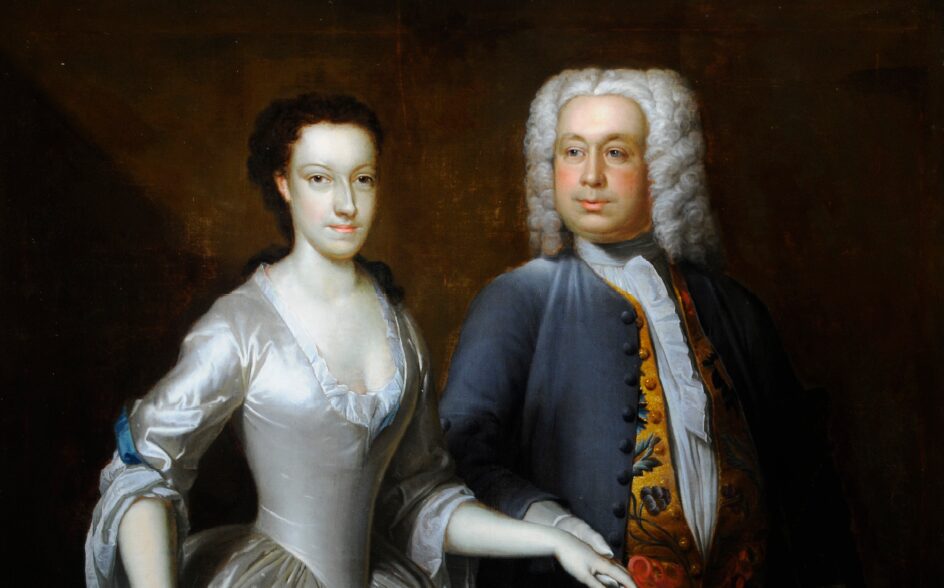
Cuthbert Tunstall 1680–1747
Cuthbert Constable of Wycliffe in County Durham, assumed the Constable name upon his inheritance. He was a gentle and studious man who spent his youth studying in France graduating as a Master of Arts and Doctor of Medicine. It is unsurprising he transformed the Long Gallery into a library to house his extensive collection of books and manuscripts.
He married Amey Clifford, who was only fourteen at the time of their marriage. Sadly, she died aged twenty-six following smallpox and a miscarriage, leaving behind a son and two daughters. Cuthbert described her as “a lady of uncommon merit, endowed with all perfections desirable in a wife, a mother or a friend”. He remained unmarried for four years before marrying Elizabeth Heneage, who became notably close to his children.
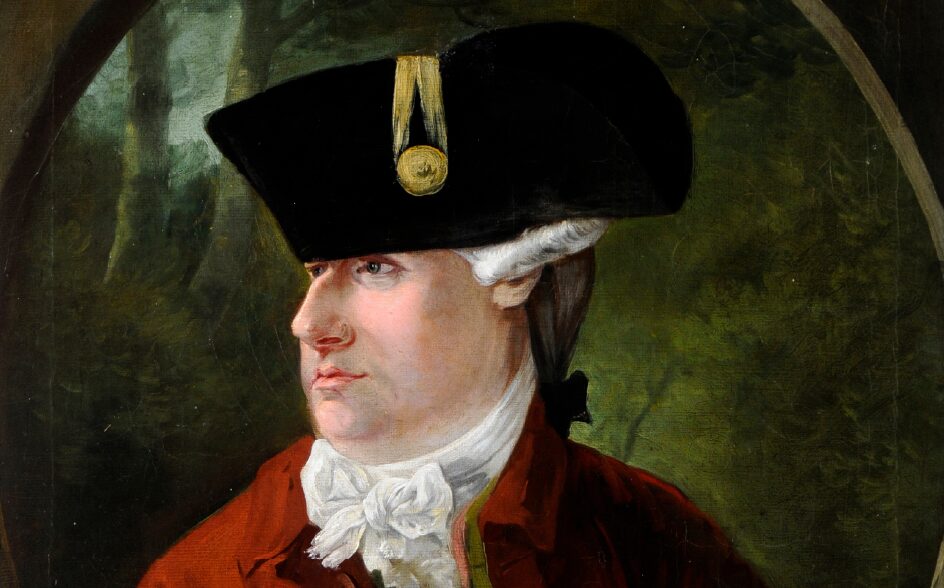
William Constable 1721-1791
William Constable inherited in 1747, his Catholic faith barred him from the army and politics, the usual ways to gain influence. Like his father, William was educated at Douai and at Montpellier University. He returned from France engaged to Anne Fairfax of York, but the engagement was broken due to concerns over his piety.
He devoted himself to Burton Constable, writing of extensive improvements to house and park, and became a Fellow of the Royal Society and the Society of Antiquaries. His sister Winefred managed the large household and cared for William due to his ill health. They took an interest in architecture, science, and amassed a vast Cabinet of Curiosities Collection. William married Catherine Langdale following Winifred’s death but died in 1791 without an heir.
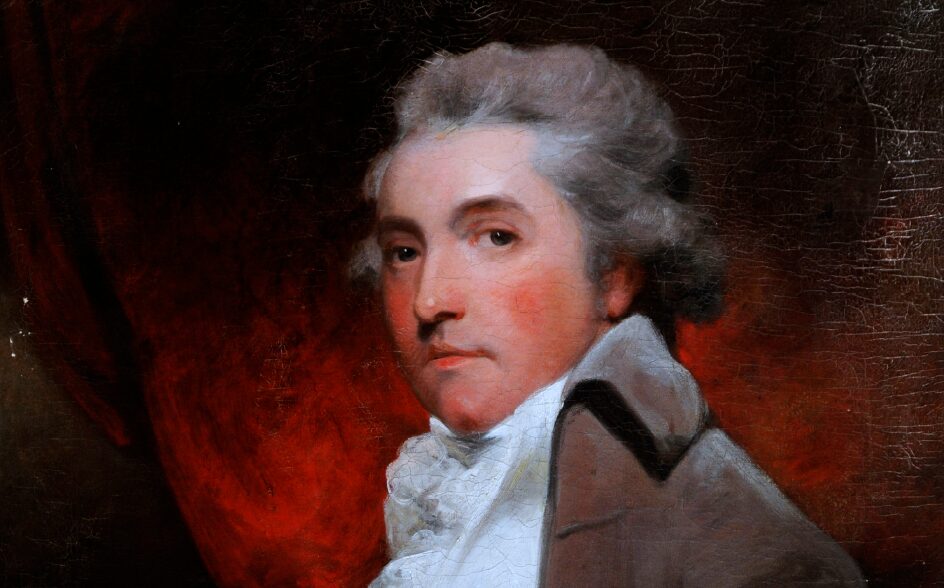
Edward Sheldon 1750-1803
Following the death of William Constable, the Burton Constable estate passed in 1791 to his nephew Edward Sheldon Constable, who adopted the Constable surname by royal licence.
Though probably not a permanent resident, Edward closely managed the estate, despite finances strained by William’s ambitious improvements. William’s will also required a new mausoleum at Halsham. Edward commissioned the white stone building on the site of the original Constable home, designed by Thomas Atkinson of York. Construction lasted around ten years and was completed only after Edward’s death. As neither Edward nor his brother Francis had sons, the mausoleum became the lasting legacy of the Sheldon-Constable line.
Francis Sheldon 1752-1821
Francis Sheldon assumed the surname Constable in 1803 after inheriting the estate from his brother.
Following Edward’s death, he moved to Burton Constable Hall, having previously lived at the Constable family’s Wycliffe estate near Barnard Castle, where he was well regarded within the local community. Contemporary travel accounts note that Francis continued to display William Constable’s scientific instruments in the Long Gallery, suggesting that he might have shared his uncle’s intellectual and scientific interests.
His wife, Frances Zaveria (1761-1826), gave birth to twin sons who tragically died at birth. The couple later had a daughter, Maria, who predeceased her father by eleven years. Francis himself died without an heir and was buried alongside his family in Winchester.
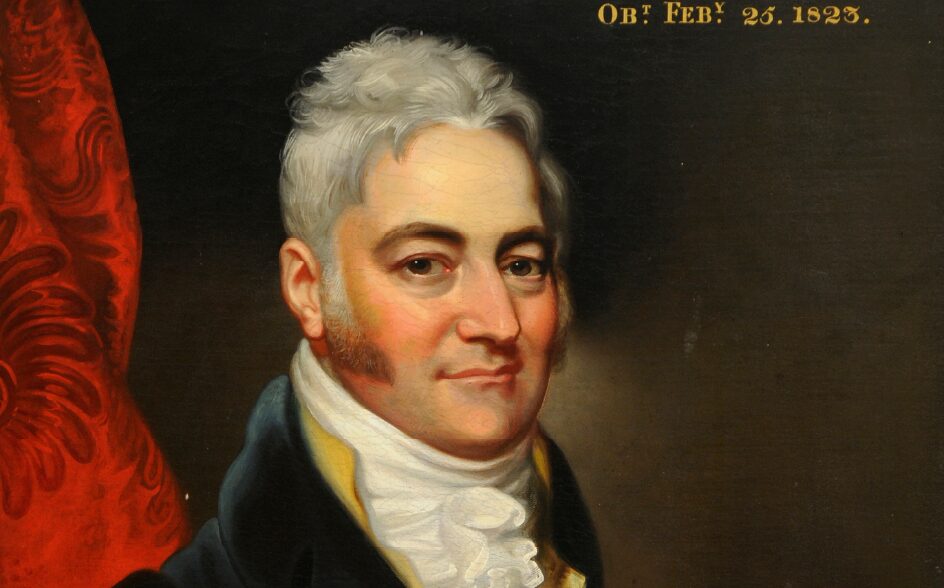
Thomas Hugh Clifford of Tixall 1762-1823
When Francis Sheldon died in 1821, the estate passed to Sir Thomas Hugh Clifford of Tixall, Staffordshire, a descendant of William Constable’s maternal grandfather.
Educated in France, he compiled a history of the Clifford family with his brother and published a volume of meditations on the Passion of Christ. He was widely known for his religious devotion and generosity towards the poor. In 1792, he sheltered French clergy fleeing the French Revolution at his home in Bath. In 1815 he was created a Baronet at the request of the newly Restored Louis XVIII of France.
Sir Thomas Hugh Clifford-Constable died only two years later and was succeeded by his seventeen-year-old son, Thomas Aston Clifford-Constable, who inherited Burton Constable Hall free from William Constable’s settlement restrictions.
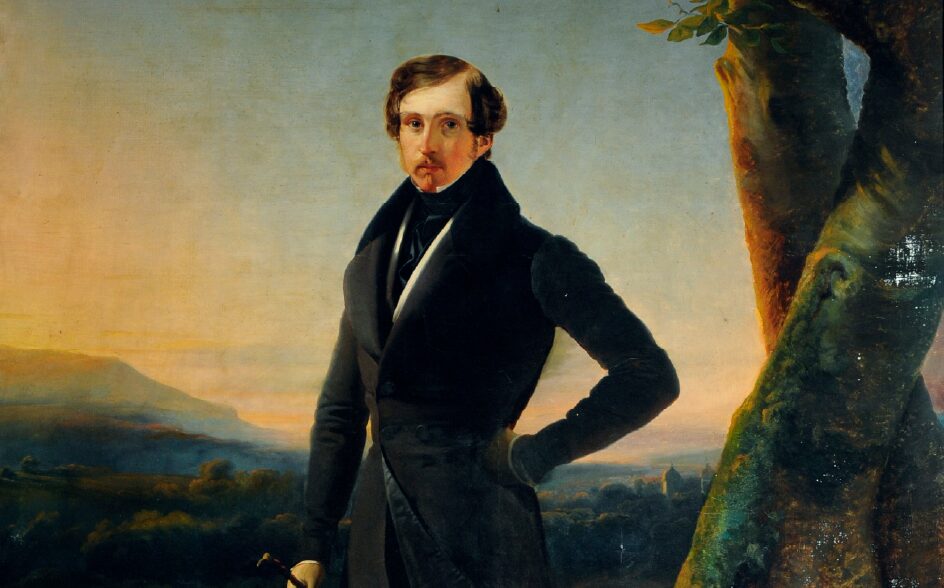
Sir Thomas Aston Clifford Constable 1806-1870
Young and newly wealthy, Sir Thomas Aston Clifford Constable’s extravagance is perhaps unsurprising. He first set out to build a grand new stable at Tixall in Staffordshire. Ruinously expensive, the project resulted in the sale of that estate and a move to Burton Constable. In 1827, Sir Thomas married his cousin Marianne Chichester.
Sir Thomas and Marianne’s extended honeymoon in Europe allowed them to buy fashionable French furnishings for their new house. They threw themselves into refurbishments, joined by Marianne’s sister Eliza. The two sisters worked together, drawing designs for furnishings themselves. The family were generous patrons to local charities and of Hull’s theatres and music halls. They opened their home to high society for musical soirées and amateur theatrical performances, with music, costume, scenery and playbills surviving today.
Sir Frederick Augustus Talbot Clifford Constable of Tixall 1828-1894
Frederick Augustus “Talbot” Clifford Constable inherited Burton Constable in diminished circumstances after his father’s mistress-turned-second wife, Rosina, removed much of the Hall’s contents after Sir Thomas’ death. Talbot complained that he was left with “only his rocking horse”.
He was appointed Deputy Lieutenant for East Yorkshire in 1852 and the following year became Major of the East Yorkshire Militia. In 1861 he entered into a secret marriage with Mary Ann Herring, but the union was later dissolved in divorce.
Talbot subsequently lived with his former servant Mary Jane Petifer, who was locally known as Mrs Constable. As they never married, their daughter was born illegitimate. Following his father’s death in 1870, Talbot formally inherited the Burton Constable estate but spent much of his later life residing in Hull.
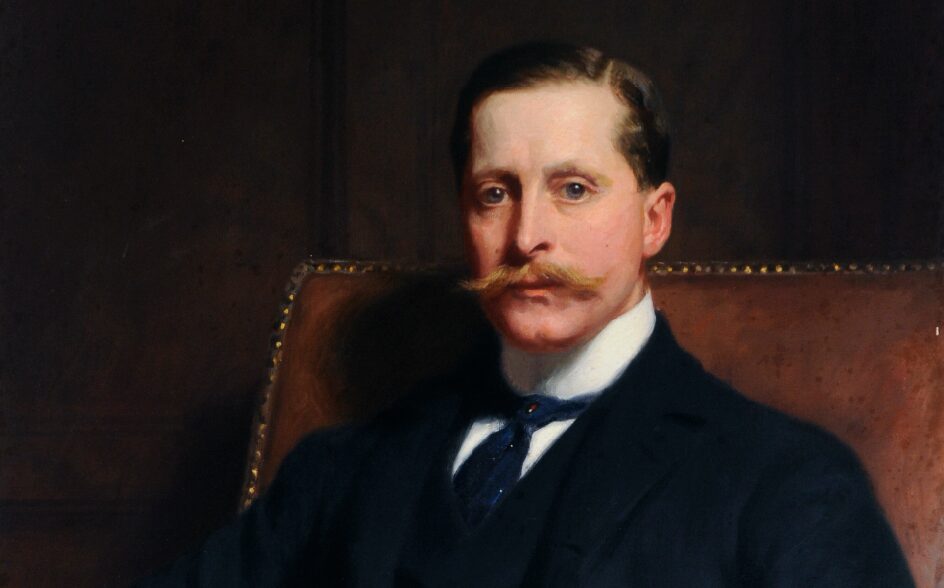
Lieutenant Colonel Walter George Raleigh Chichester 1863-1942
The new owner, Lieutenant Colonel Walter Raleigh Chichester Constable, was the grandson of Sir Thomas Aston’s sister Mary Barbara.
When Walter and his wife Edith Smth-Pigott moved to the Hall in 1900 it was very neglected, having not been lived in since 1870. Their efforts to restore the house to its former glory received an unexpected boost when Rosina, the second Lady Clifford Constable, agreed to return the furnishings she had taken in return for a place next to her first husband in the family mausoleum. These belongings returned from Rome in 1908, and Rosina’s remains were laid to rest at Halsham.
Financial difficulties forced Burton Constable’s second abandonment in the 1930s when the family moved to Wood Hall, a smaller house on the estate.
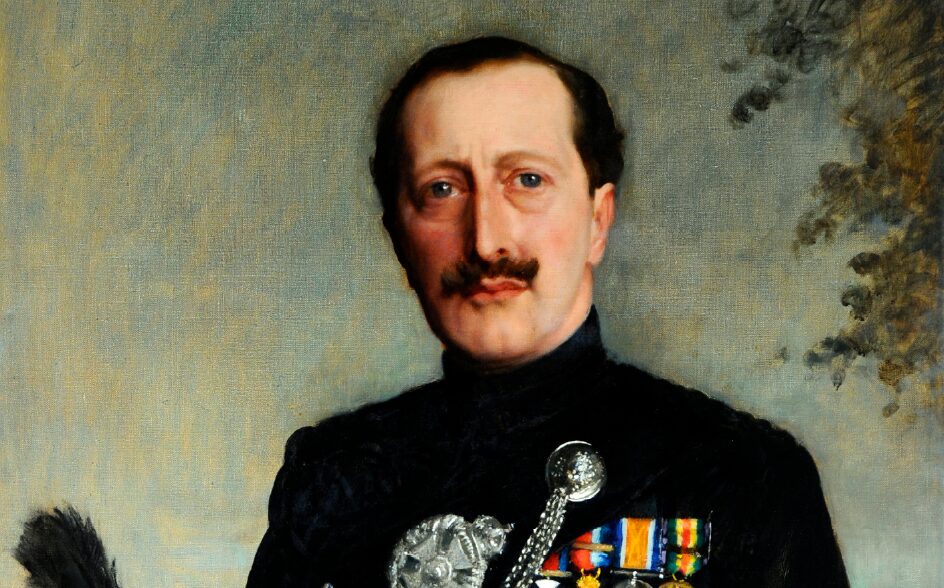
Brigadier Raleigh Charles Joseph Chichester-Constable 1890-1963
Brigadier Raleigh Charles Joseph Chichester Constable was a distinguished and decorated soldier whose military career spanned both World Wars. Originally a career officer serving in India, he returned to Europe at the outbreak of the First World War and served with distinction in the 2nd Battalion, Rifle Brigade. He was wounded six times and awarded the Distinguished Service Order for his role in breaching German barbed wire defences.
He married Gladys Consuelo Hanly in 1917 before leaving the regular army in 1923 to manage the Burton Constable estate. He was determined to restore the Hall despite claims that the British Army had caused more damage during its wartime requisition than enemy bombing. During the Second World War he commanded brigades in North Africa and at Dunkirk.
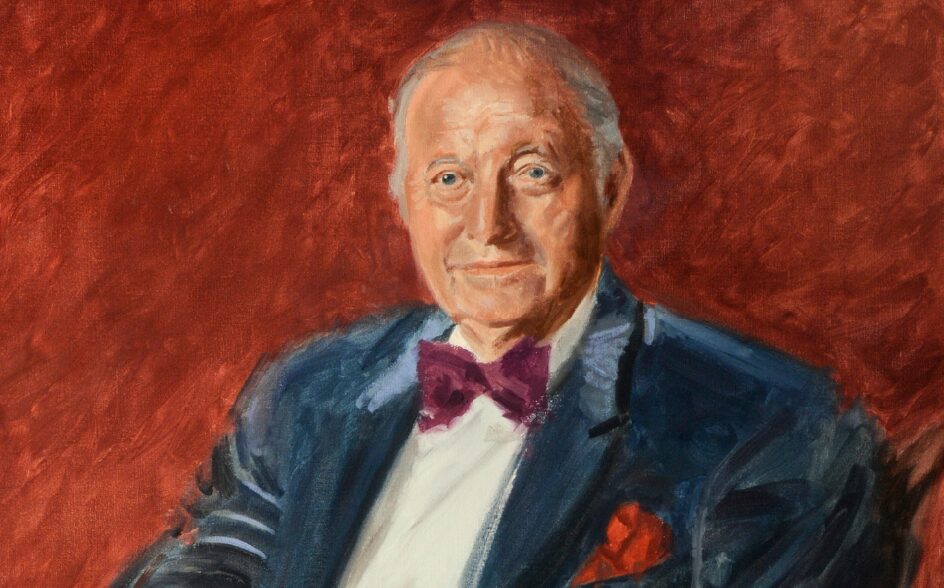
John Raleigh Chichester-Constable 1927-2011
John Raleigh Chichester-Constable was born in London and educated at Eton College. During the Second World War, he served in the Rifle Brigade and in 1945 was stationed in Germany, where he was stationed at Belsen concentration camp. After studying at the Royal Agricultural College in Cirencester, he farmed in Berkshire and married Laurel Gay Sawbridge in 1962.
John inherited Burton Constable Hall in 1963. For the next twenty-six years, he and his wife, devoted themselves to securing the financial future of the estate. To fund essential repairs and maintenance, they developed a wide-ranging programme of income-generating activities. These included steam rallies, antique fairs and flying displays. During the 1960s, the Stables also hosted music festivals, while John managed The Hullaballoos during their American success. Away from Burton Constable, he established the Burton Constable Holiday Park, which became a popular holiday destination and continues to welcome visitors today.