The Parkland

From Medieval Landscape to Designed Parkland

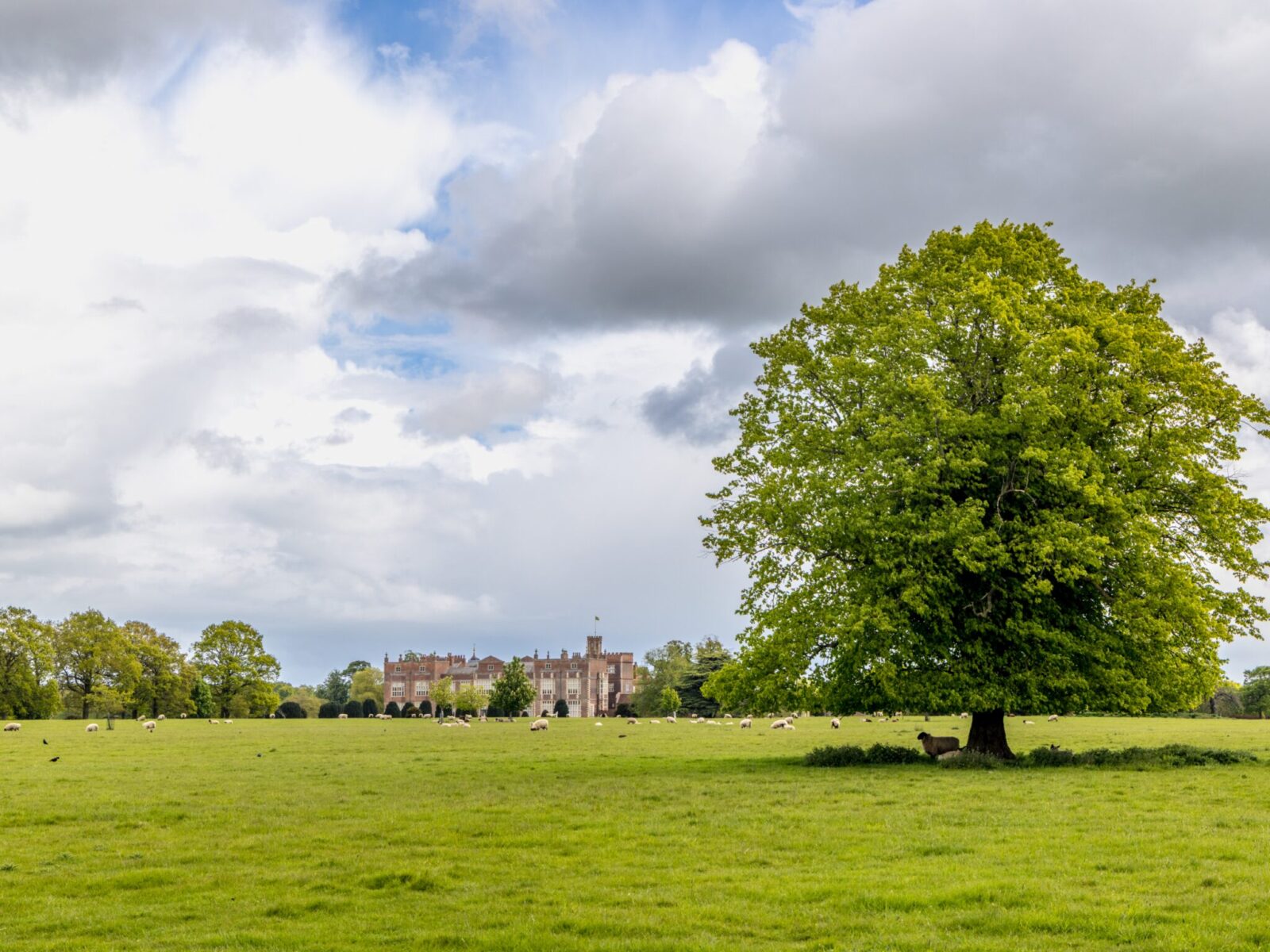
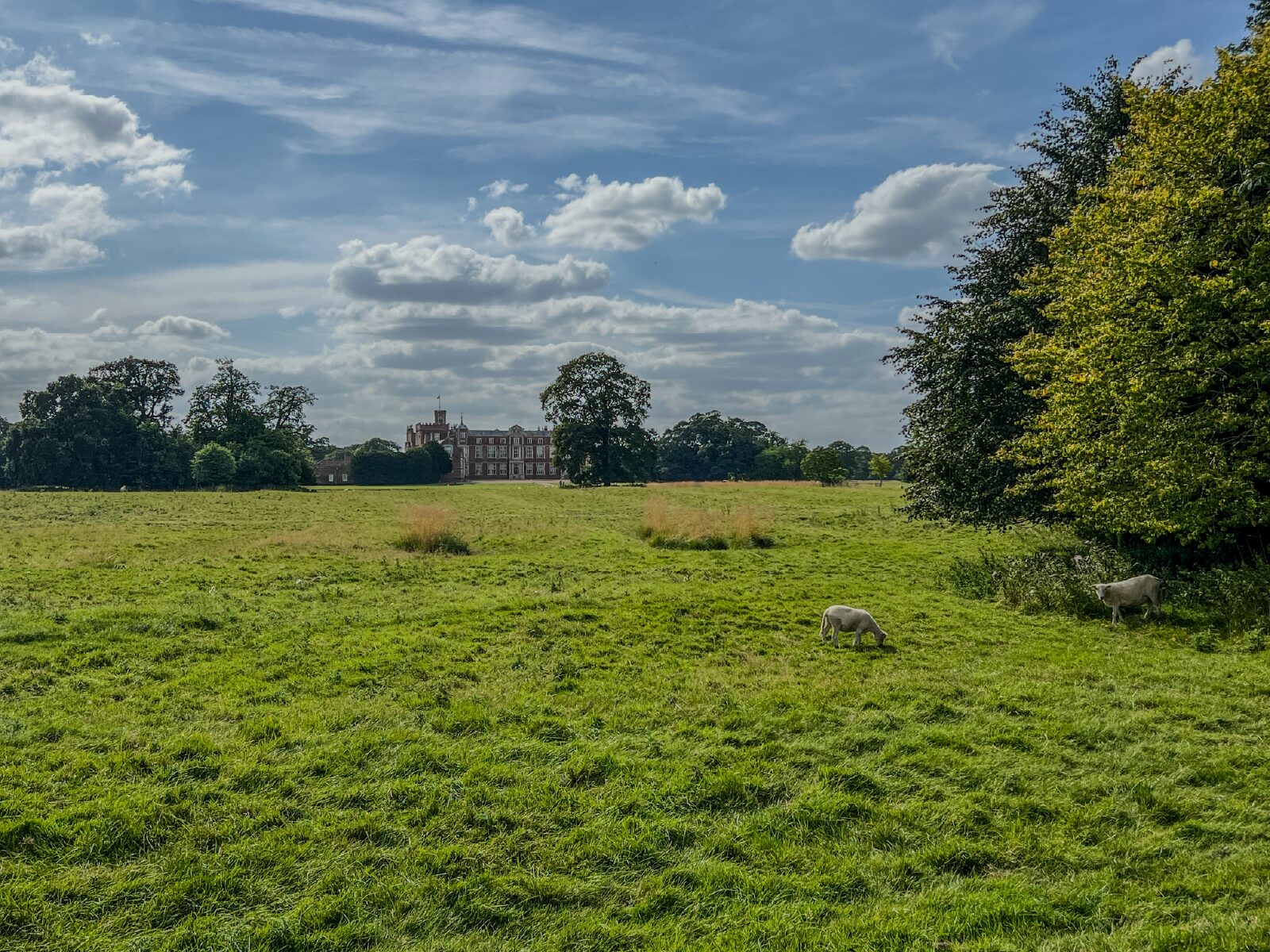
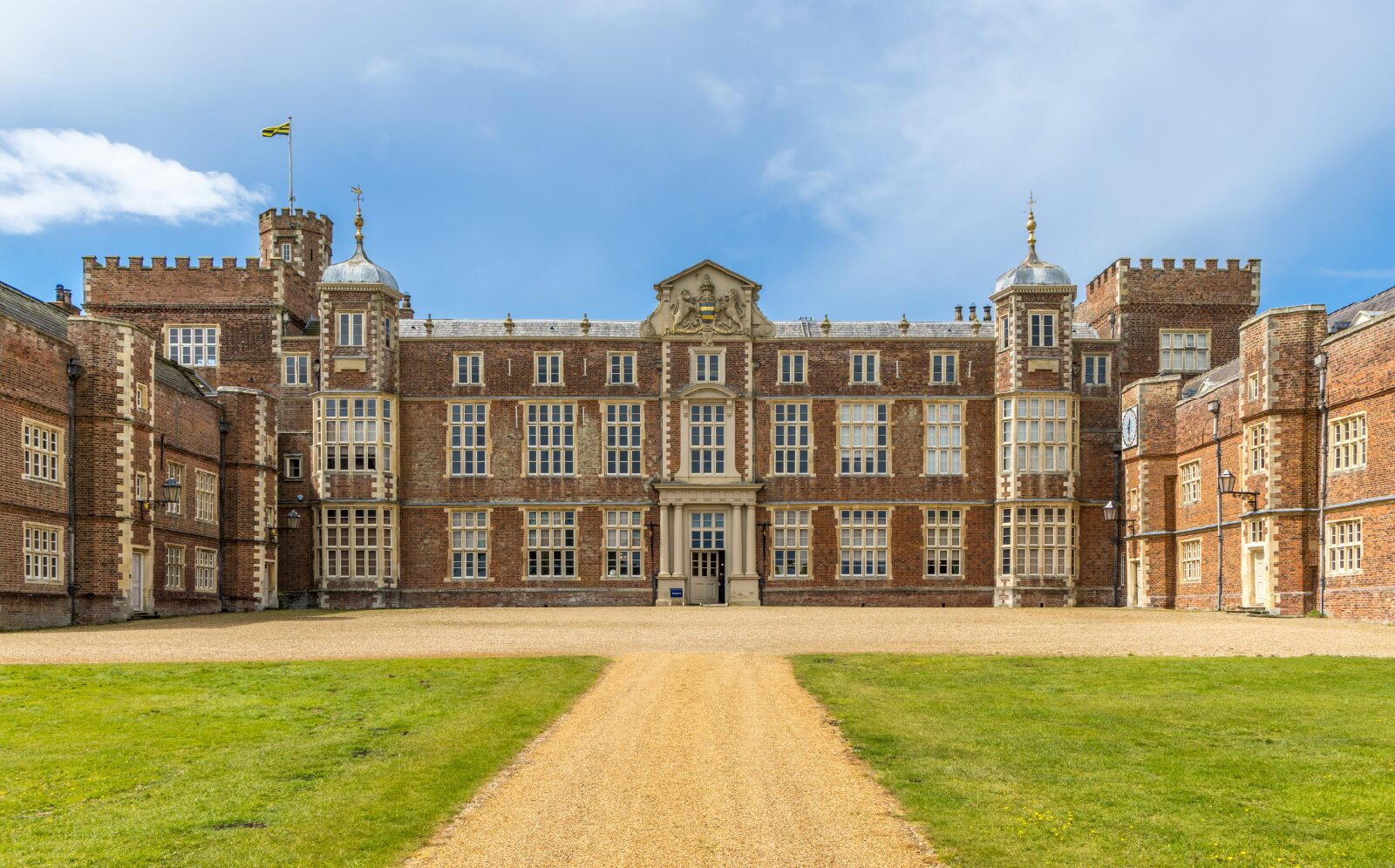
The parkland surrounding Burton Constable Hall extends across 330 acres of Grade II* listed landscape. Located near Hull in East Yorkshire, it is one of the best-documented and preserved examples of Capability Brown’s work. 

Ridge and furrow earthworks still visible today reflect the medieval farming system that existed before a deer park was established here in 1517. 

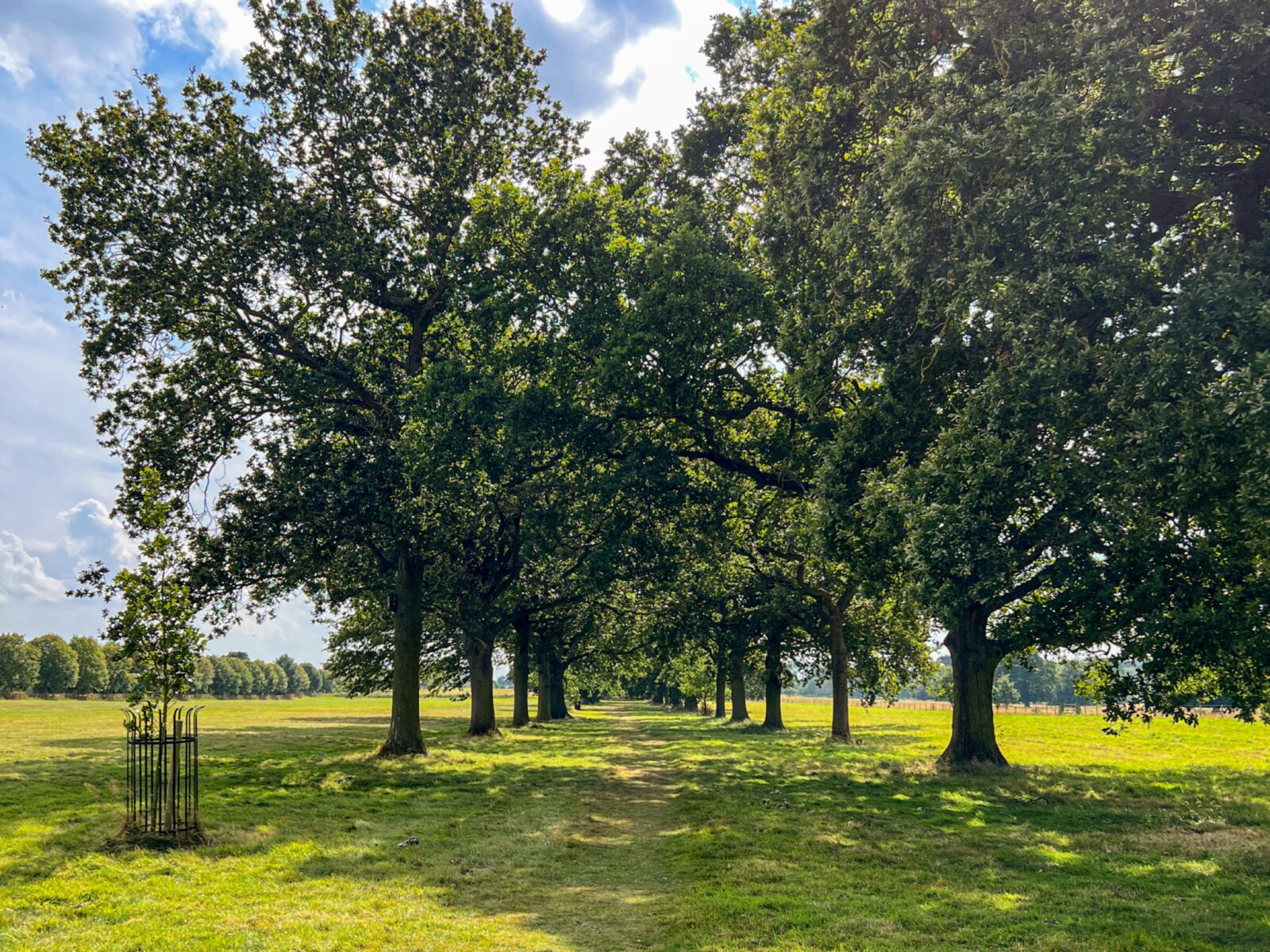
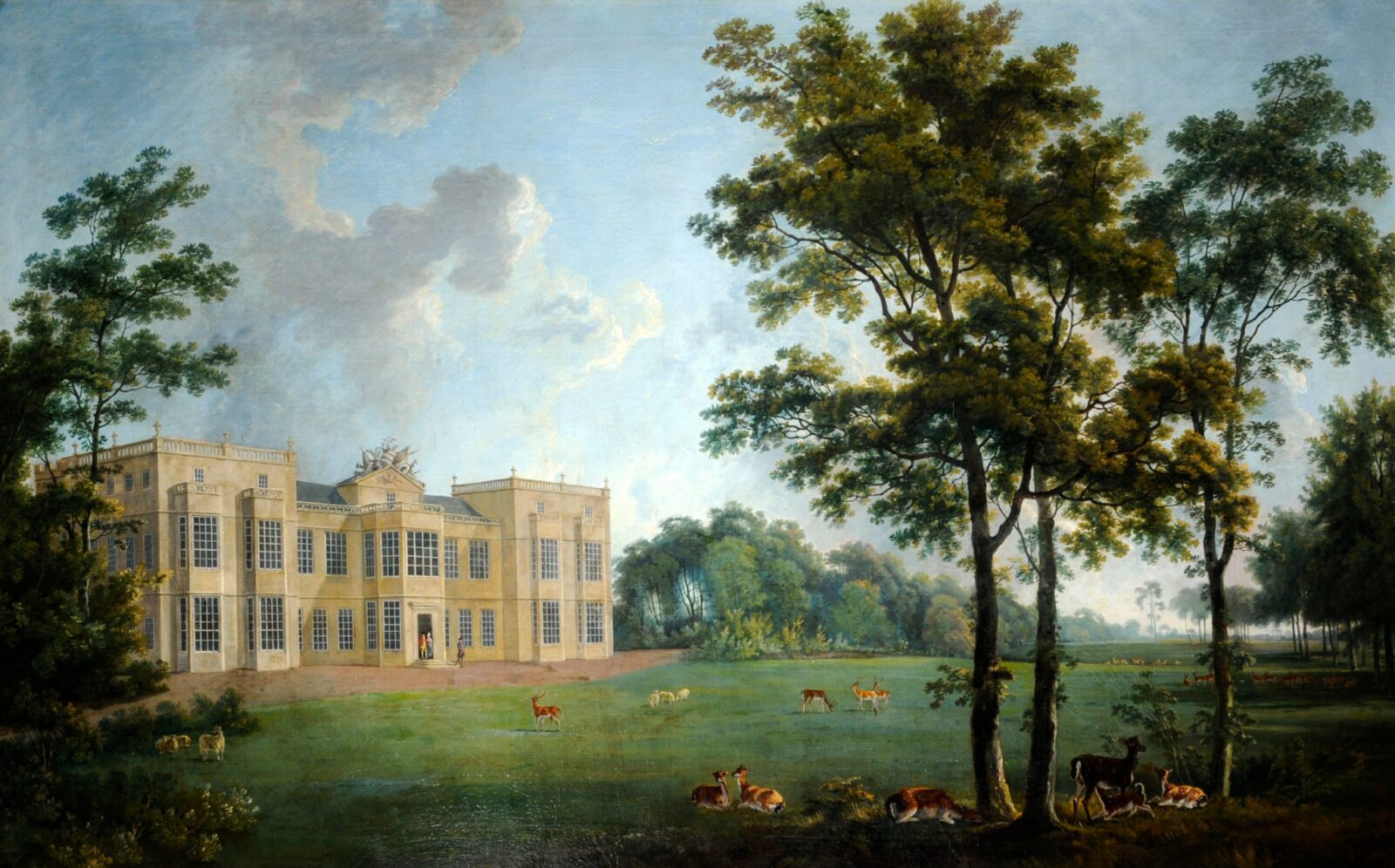
By the 17th century, the landscape had evolved to include enclosures, tree-lined approaches and long fishponds, before being transformed in the 18th century into the sweeping landscape seen today. 

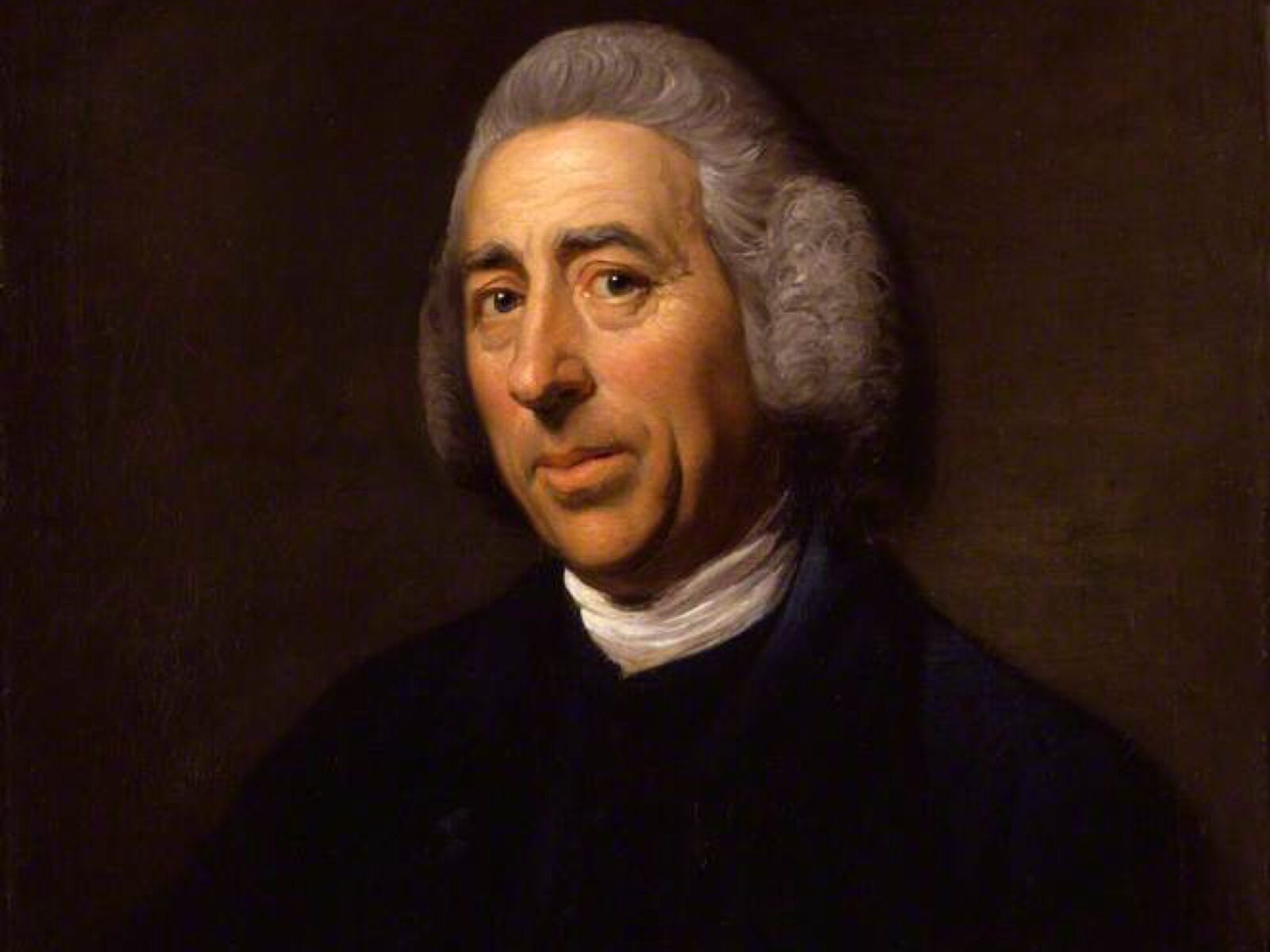
Designed by Capability Brown

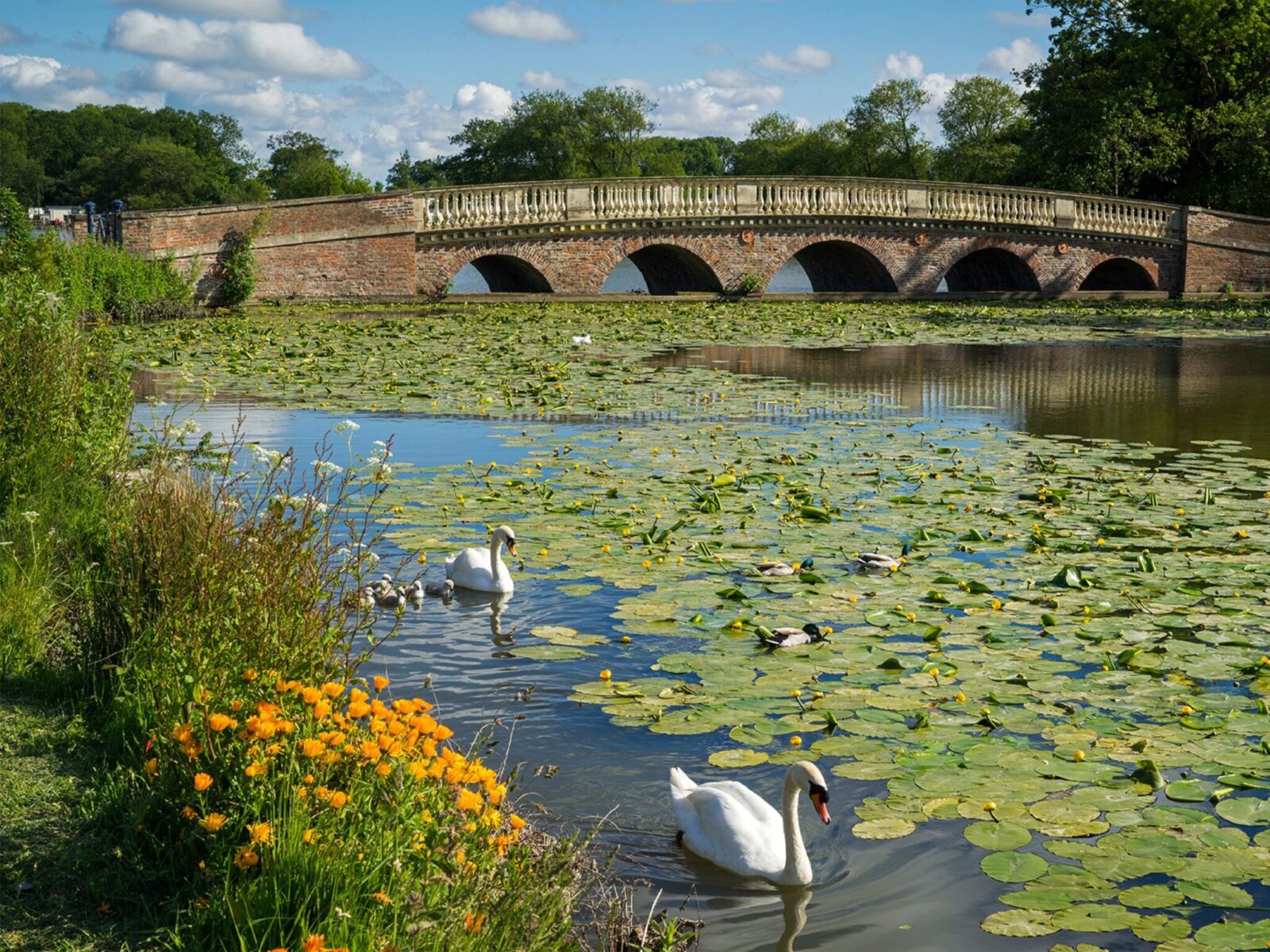
In 1772, William Constable employed Capability Brown to transform the landscape around the Hall. Over the following decade, Brown reshaped the landscape, linking earlier fishponds to create sweeping serpentine lakes, separated by a dam-cum-bridge. He planted carefully placed tree clumps and introduced features such as a ha-ha to create uninterrupted views. 

Detailed records of his visits, preserved as “Mr Brown’s Directions” and his account book, offer a rare insight into how this remarkable landscape was designed and brought to life. 

Walks & Trails

A network of walks winds through the landscape, linking lakes, woodland and open pasture. Routes cross the ancient grounds between open spaces and quieter, more sheltered areas, with views back towards the Hall and stables along the way. 

Wildlife watch posts are dotted across the landscape, forming a trail of viewing points that encourage you to pause, observe, and discover more as you explore. 

Wildlife & Nature

Throughout the seasons, the landscape changes as different wildlife and plants emerge. Buzzards circle above the trees, swans move across the lakes and brown hares can be seen in the open pasture. 

The land is managed without fertilisers, encouraging a wide variety of plant species and supporting insects, birds and grazing animals. 

Bees gather nectar from trees, hedgerows and pasture across the parkland, with honey produced on site from hives that reflect the changing seasons and the variety of plants found across the landscape. 

The Medieval Village

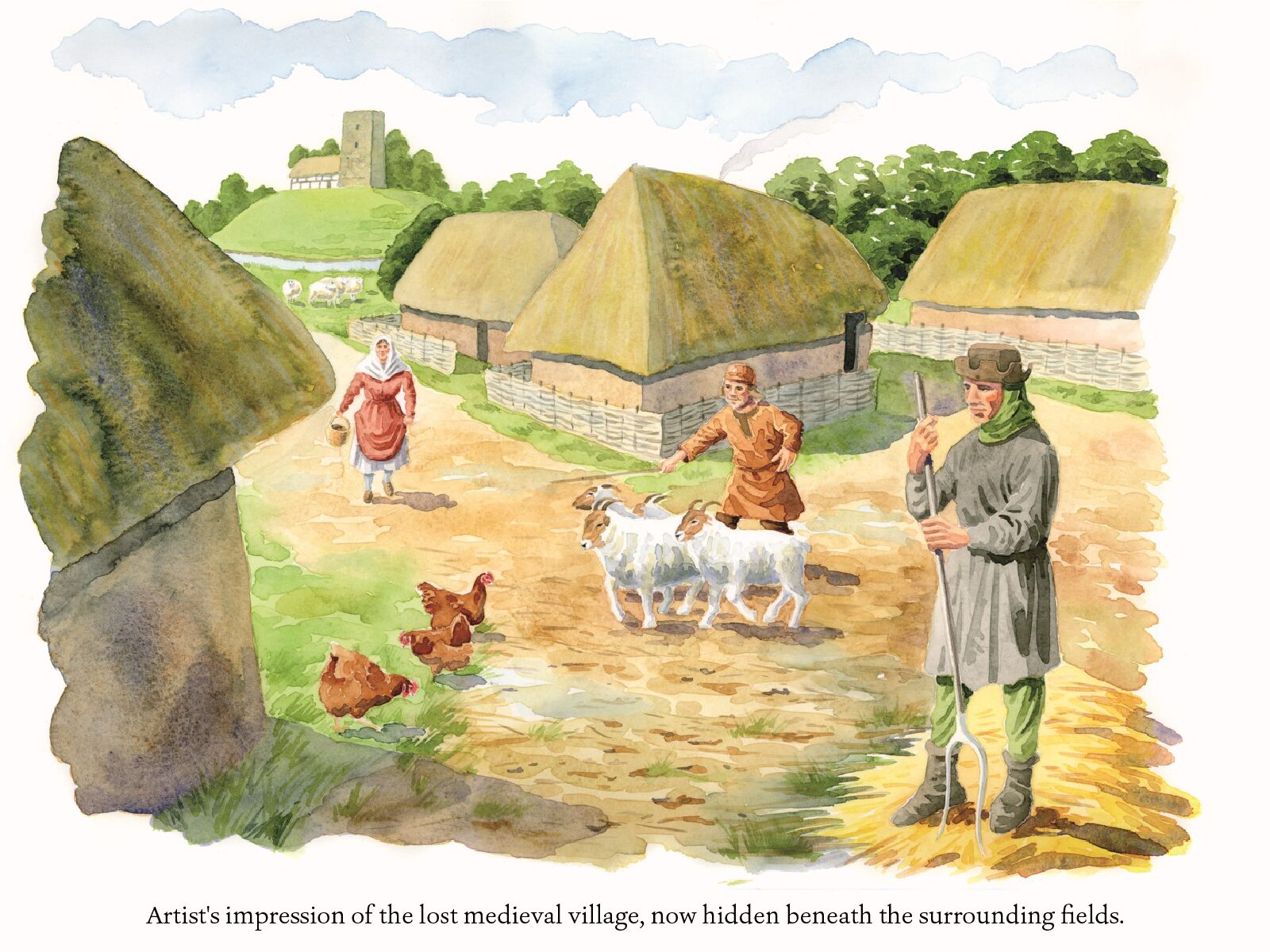
To the north of Burton Constable Hall, the remains of a deserted medieval village lie beneath the grounds, still visible in the ridge and furrow patterns that shape the land. Although the buildings have long disappeared, the layout of the village can still be traced in the landscape. 

These features are often easiest to see during warmer, drier periods, when the contours of the ground become more defined. 

The Orangery

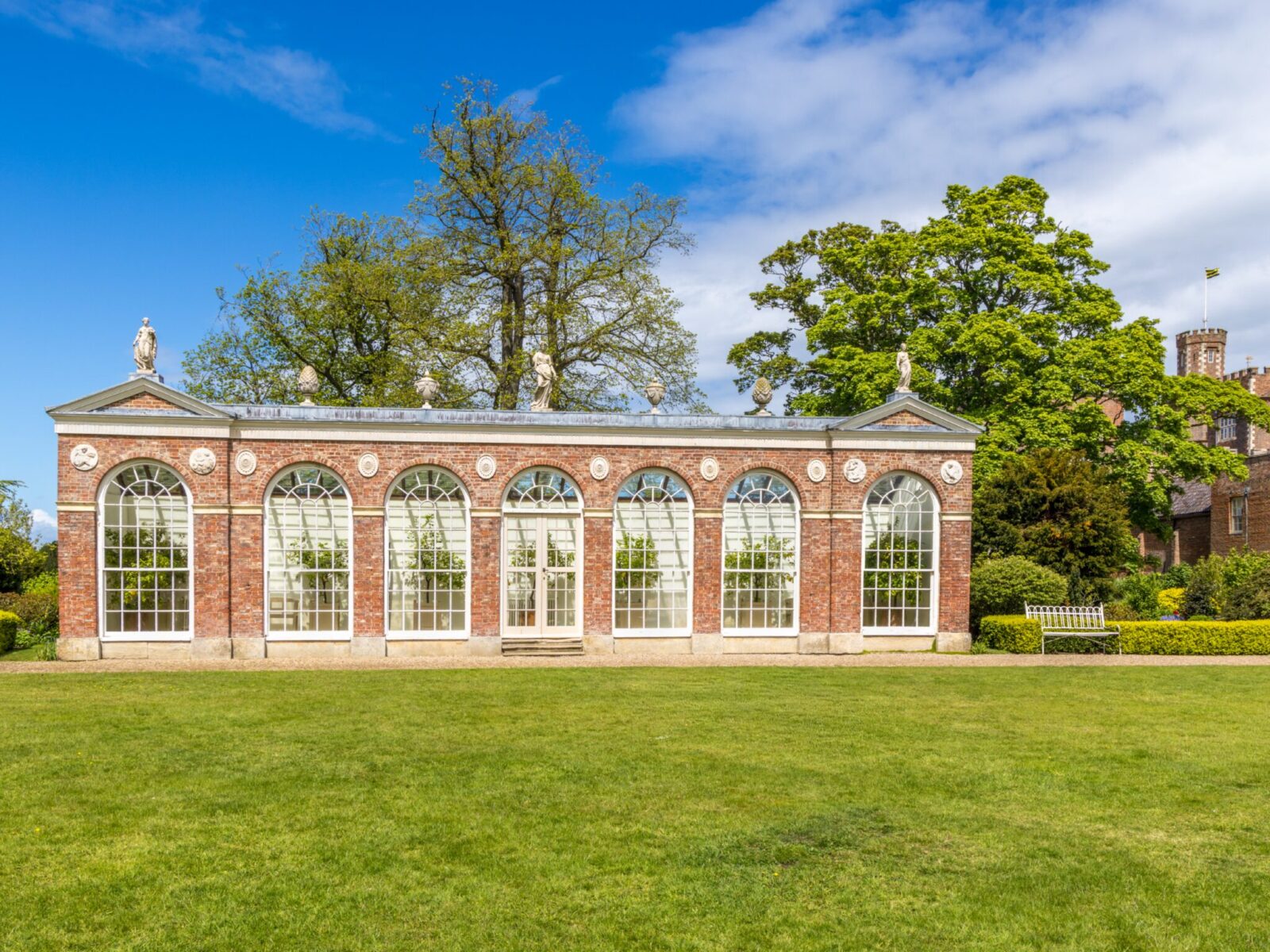
The Orangery is an 18th-century hothouse, once used to grow exotic fruits for the Constable family. Today, it offers a sheltered place to sit and spend time outdoors, with space to relax within the surrounding gardens. 

Designed by Thomas Atkinson and completed in 1782, it features decorative stonework by Eleanor Coade. Carefully restored in recent years, it remains a distinctive feature of the landscape, with produce from the Orangery continuing to be used within the café. 

Lawns & Open Spaces

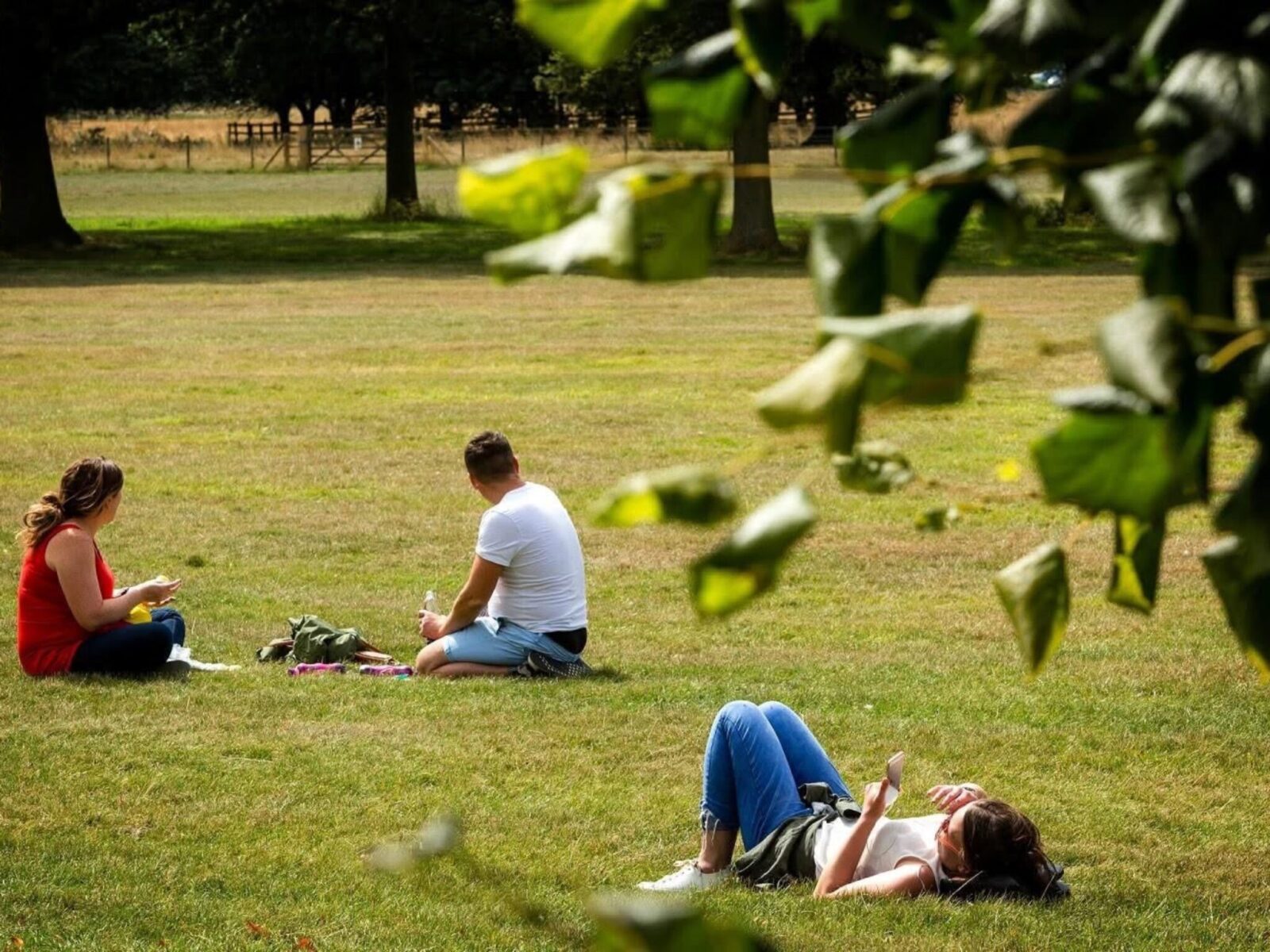
Open areas of grassland stretch across the parkland, creating space to pause, walk and take in the surroundings. 

The lawns are ideal for spending time outdoors, whether that’s finding a quiet spot to sit or enjoying a picnic. Parts of this open ground have changed in use over time, including the Rally Field, once used as an airstrip. 

Caring for the Parkland Today

Since 1999, a long-term restoration programme has helped re-establish historic tree planting, repair features such as Brown’s bridge and ha-ha, and restore avenues and hedgerows. 

The landscape is carefully managed using traditional methods, with grazing animals maintaining the pasture and heavy machinery avoided to protect the ground. This approach supports wildlife while preserving the character of the parkland. 

You may also like